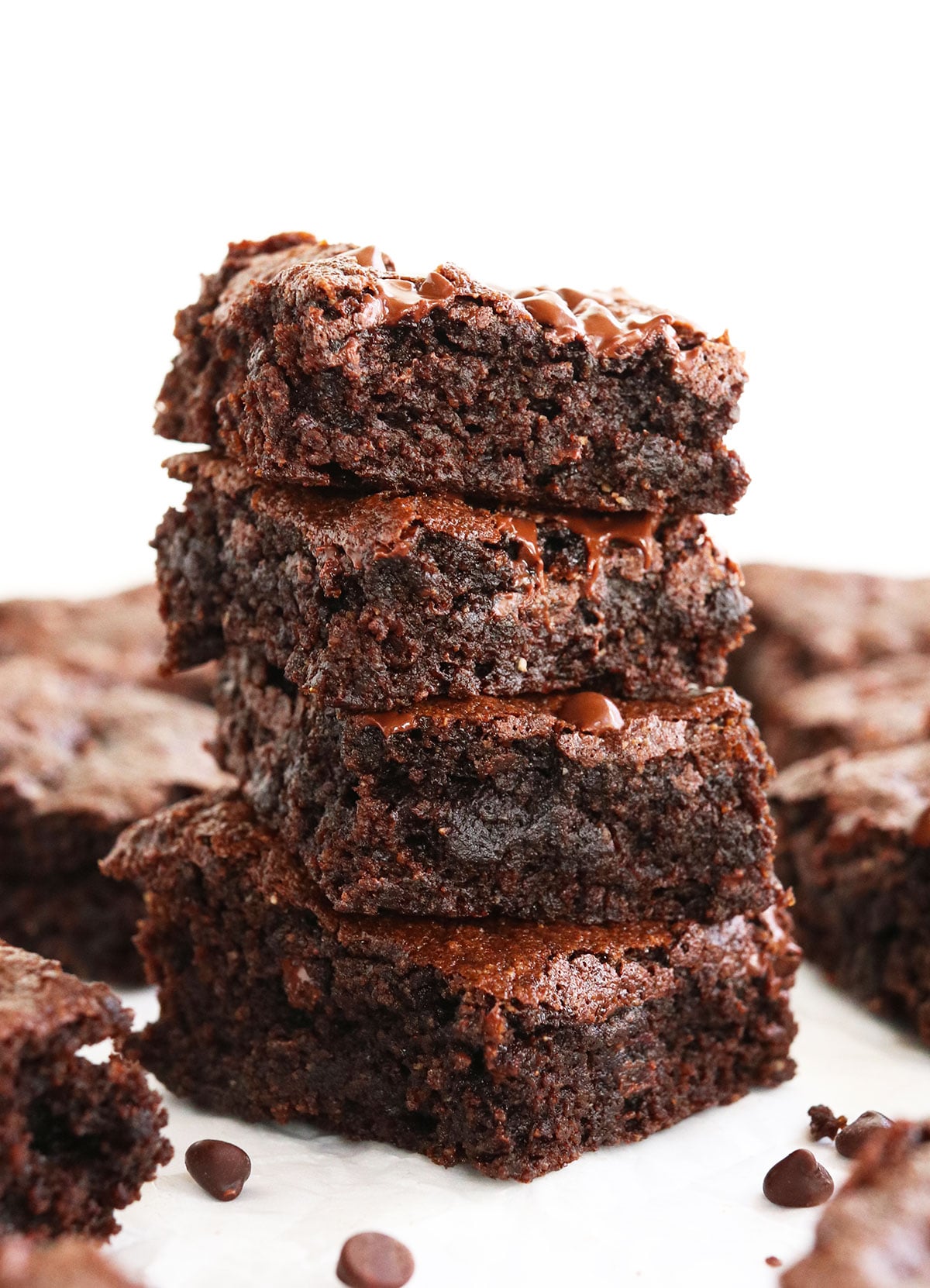
Almond Flour Brownies: Your New Go-To for Fudgy, Gluten-Free Perfection
Imagine sinking your teeth into a brownie that's so rich, so intensely chocolatey, and so undeniably fudgy, it melts in your mouth. Now imagine that same brownie is also gluten-free, often grain-free, and can easily be adapted for paleo and dairy-free lifestyles. Sounds like a dream, right? Welcome to the world of
almond flour brownies, a culinary revelation that consistently outshines conventional box mixes and traditional flour-based recipes.
For too long, the idea of a "healthier" brownie has conjured images of dry, crumbly, or overly cakey imposters. But with almond flour, that narrative changes entirely. This versatile, nutrient-dense flour isn't just a substitute; it's an upgrade, inherently lending itself to a denser, moister, and incredibly satisfying texture that will make you forget about gluten altogether. Whether you're navigating dietary restrictions or simply seeking a superior brownie experience, these fudgy, irresistible delights are poised to become your new kitchen staple.
Why Almond Flour Brownies Are a Game-Changer (Beyond Just Gluten-Free)
The rising popularity of gluten-free baking has introduced us to a plethora of alternative flours, but none quite deliver the magic of finely ground almonds when it comes to brownies. Almond flour isn't merely a stand-in for wheat flour; it brings its own unique set of properties to the table that elevate the entire baking experience.
Firstly,
almond flour brownies naturally possess a higher fat content than those made with traditional wheat flour. This inherent richness translates directly into a more tender, moist crumb, often requiring less added oil in the recipe. The result? A brownie that’s intensely flavorful, boasts a luscious mouthfeel, and is naturally less prone to drying out. This higher fat content, coupled with the absence of gluten (the protein responsible for chewiness and structure in traditional baked goods), is precisely what nudges these brownies towards an incredibly fudgy, almost truffle-like density rather than a light, airy, or cakey texture.
Beyond texture, almond flour offers significant nutritional advantages. It's a good source of protein, healthy fats, and fiber, contributing to a more satisfying and blood sugar-friendly treat. For those with celiac disease or gluten sensitivities, it provides a safe and delicious alternative. Furthermore, many
almond flour brownie recipes are easily adaptable to grain-free, paleo, and dairy-free diets, making them accessible to a wider audience without compromising on taste or indulgence. It’s this combination of unparalleled texture, superior flavor, and health-conscious adaptability that truly makes almond flour a game-changer in the brownie world.
Crafting the Perfect Fudgy Almond Flour Brownie: Key Ingredients & Techniques
Achieving that coveted fudgy perfection in your
almond flour brownies isn't just about swapping flours; it's about understanding how the specific ingredients interact. Here's a breakdown of the crucial elements and why they matter:
The Right Almond Flour is Non-Negotiable
For truly exceptional brownies, always opt for
finely ground, blanched almond flour. The "finely ground" aspect is paramount because a coarser grind (often found in almond meal) can lead to a greasier, less uniform texture. "Blanched" means the almonds have had their skins removed before grinding, resulting in a lighter color and milder flavor that lets the chocolate shine.
While homemade almond flour might seem appealing, it's virtually impossible to achieve the same fine consistency as store-bought versions without specialized equipment. Using homemade can result in brownies that are disappointingly greasy due to the coarser particles releasing more oil. Furthermore, these recipes typically call for a manageable 1 1/3 cups (around 133 grams) of almond flour, making them more economical than some "healthy" brownie recipes that rely heavily on expensive almond butter or excessive amounts of maple syrup.
Cocoa Powder: The Soul of Your Brownie
The type of cocoa powder you use significantly impacts the final taste and appearance of your brownies. While natural cocoa powder will work, Dutch-process cocoa powder is often preferred for
almond flour brownies. Dutch-process cocoa has been treated to reduce its acidity, resulting in a darker, richer color and a smoother, less bitter chocolate flavor. This also contributes to a more deeply chocolatey and fudgier final product. Using natural cocoa may yield a slightly cakier brownie with a lighter color, so choose based on your desired outcome.
Fats and Sweeteners: Getting the Balance Right
For fat, refined coconut oil or butter are common choices. If you're concerned about a coconut flavor, ensure you use *refined* coconut oil, which has a neutral taste. Unrefined coconut oil retains a distinct coconut aroma and flavor. Some have reported success with ghee, and while olive oil has been used in other brownie recipes, it hasn't been widely tested with this specific almond flour formulation, though it might work in the same quantity.
When it comes to sweeteners, granulated options like coconut sugar or regular granulated sugar are essential. **Do not substitute liquid sweeteners** such as maple syrup or honey. These recipes are carefully formulated with specific liquid-to-dry ratios. Adding extra liquid from a syrup will disrupt this balance, resulting in brownies that are cakey, crumbly, or even a liquidy mess.
Eggs: The Unsung Heroes
Eggs play a critical role in the structure and texture of
almond flour brownies. They provide essential binding, moisture, and contribute to the fudginess. Unfortunately, extensive testing has shown that common egg replacers (flax eggs, chia eggs, powdered egg replacers) simply do not work in this type of almond flour brownie recipe. They often lead to brownies that are excessively oily, dense, and fail to set properly. For a truly fudgy and structurally sound brownie, eggs are non-negotiable.
Substitutions (and Cautionary Tales)
While almond flour is quite unique, it can sometimes be swapped with other nut flours like cashew or hazelnut meal. However, be aware that the texture and flavor will likely differ due to varying fat contents and protein structures. Almond meal, though similar, is generally coarser than almond flour and might result in a greasier texture. It's always best to stick to finely ground almond flour for optimal results.
Unlocking the Ultimate Fudginess in Almond Flour Brownies
The primary allure of
almond flour brownies lies in their unparalleled fudginess. This isn't an accident; it's a direct result of almond flour's unique properties and a carefully balanced recipe. Unlike brownies made with wheat flour, which can develop gluten and become chewy or cakey if overmixed, almond flour lacks gluten, meaning it naturally creates a more tender and dense crumb.
The high fat content of almond flour itself, combined with the added fat (like refined coconut oil or butter), contributes significantly to the richness and moisture. When this is perfectly balanced with the right amount of sweetener and cocoa, the outcome is a brownie that is dense, moist, and almost melt-in-your-mouth. The "better than box mix" compliment from even discerning palates stems from this deeply satisfying, non-cakey texture that commercial mixes struggle to replicate in a gluten-free format.
To maximize this fudginess, a few techniques are key. Firstly, precise measurement of ingredients, especially the almond flour, is crucial; weighing it can provide more consistent results than volume measurements. Secondly, resist the urge to overbake. A truly fudgy brownie will often appear slightly underbaked in the center when removed from the oven, continuing to set as it cools. Lastly, patience is a virtue: allowing your
almond flour brownies to cool completely before cutting is essential. This allows them to fully set, making them easier to slice cleanly and ensuring that their fudgy texture is locked in. For an even more indulgent treat, explore recipes like our
Super Gooey Almond Flour Brownies: Gluten-Free & Fudgy Perfection.
Practical Tips for Baking Success
Even with the best ingredients, a few practical tips can elevate your
almond flour brownie game from good to extraordinary:
*
Measure by Weight: While cups are provided, measuring almond flour by weight (grams) is always more accurate due to variations in how it can pack down. This ensures consistent results every time.
*
Don't Overmix: Once the wet and dry ingredients are combined, mix just until no streaks of flour remain. Overmixing can incorporate too much air, which can lead to a less dense, less fudgy brownie.
*
Watch the Baking Time Closely: Ovens vary, so the specified baking time is a guideline. Look for visual cues: the edges should be set, but the center should still look slightly soft or even a little gooey. A toothpick inserted into the center should come out with moist crumbs, not wet batter, and certainly not completely clean (which indicates overbaking).
*
Cool Completely: This is arguably the most challenging step for eager bakers! However, allowing the brownies to cool entirely in the pan ensures they set properly, achieve their ultimate fudgy texture, and can be cut cleanly without crumbling.
*
Storage: Store cooled brownies in an airtight container at room temperature for a few days, or in the refrigerator for up to a week. They often become even fudgier the next day!
If you're specifically catering to dietary needs, our
Easy Paleo Almond Flour Brownies: Gooey, Dairy-Free, & Delicious recipe offers a fantastic starting point for adapting this incredible treat.
Conclusion
The quest for the perfect brownie often feels endless, but for those seeking a truly exceptional, guilt-free indulgence,
almond flour brownies present a triumphant solution. They not only meet the demands of gluten-free and grain-free lifestyles but also surpass expectations by delivering a rich, dense, and supremely fudgy texture that consistently rivals—and often exceeds—the convenience of a box mix. By understanding the unique properties of almond flour and adhering to key ingredient choices, you can unlock a world of chocolatey bliss that is both incredibly delicious and remarkably satisfying. So, ditch the compromises and embrace the decadence; your journey to the ultimate fudgy, gluten-free brownie starts here.